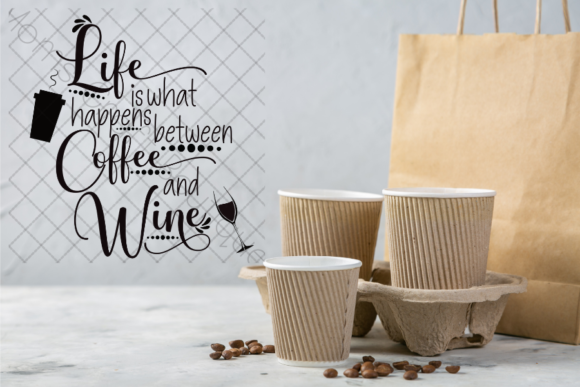
Life is What Happens: Design for Coffee & Wine Moments
Every brand has a story, and the most compelling ones are woven into the fabric of everyday life. The phrase "Life is What Happens" resonates because it captures authenticity, and pairing it with universal comforts like coffee and wine creates a powerful, relatable narrative for modern graphic design. This isn't just a catchy slogan; it's a design philosophy that connects with audiences on a human level, transforming standard marketing into meaningful communication.
In visual design, such phrases become cornerstones of brand identity. A well-crafted typographic treatment of "Life is What Happens, Coffee & Wine" can evoke specific emotions—warmth, nostalgia, relaxation, or celebration—depending on the font choice, layout, and color palette. For designers and business owners, leveraging these evocative concepts is key to creating assets that feel genuine and engaging, whether for a local café, a lifestyle blog, or a boutique winery.
Practical Applications for Authentic Branding
The versatility of this concept allows it to enhance numerous creative projects. Its strength lies in its ability to adapt to different contexts while maintaining a consistent, authentic voice.
- Logo Design & Brand Systems: A logo incorporating this phrase can immediately communicate a brand's values. It works beautifully for coffee shops, wine bars, or any lifestyle brand centered on savoring moments.
- Social Media Graphics & Marketing Materials: Create a cohesive series of posts, stories, and ads that tell a story. Use the phrase as a headline for promotions, menu features, or customer testimonials to build a recognizable visual language.
- Packaging Design & Merchandise: From coffee bag labels to wine bottle tags and merchandise like mugs or tote bags, this text adds a layer of personality that elevates the unboxing experience and turns products into conversation starters.
- Editorial & Web Design: Incorporate the phrase into website hero sections, blog headers, or magazine layouts. It sets a tone, guiding the user experience with a welcoming and familiar feel.
Executing the Vision with Professional Assets
Bringing this concept to life requires high-quality, versatile creative assets. The difference between an amateur and a professional presentation often comes down to the tools used. When selecting design files, prioritize:
- Scalability and Format: Ensure files are provided in vector formats (SVG, EPS) for infinite scalability without loss of quality, crucial for everything from a small favicon to a large signage print.
- Compatibility: Files must be optimized for your workflow. For crafters and designers using popular cutting machines, this means SVG and DXF files that import cleanly into software like Cricut Design Space or Silhouette Studio.
- Visual Hierarchy and Readability: A good design asset considers typography and composition. The text should be legible at various sizes, with a clear visual hierarchy that guides the viewer's eye.
Choosing assets from a source that understands these technical requirements is non-negotiable. It ensures your design workflow remains efficient and the final output is crisp, professional, and aligned with your creative vision. This attention to detail in the asset selection phase saves countless hours and prevents frustration during production.
Ultimately, thoughtful design choices bridge the gap between a brand and its audience. By integrating resonant phrases like "Life is What Happens, Coffee & Wine" with meticulously crafted, high-resolution digital files, you create more than just graphics—you build experiences. These assets become the building blocks of a cohesive visual identity that feels both polished and profoundly human, strengthening communication and leaving a lasting impression. For designers seeking to elevate their projects, starting with a foundation of reliable, optimized creative resources is the first step toward realizing that vision.